How to Close an Inactive S.A.S. in Colombia
For many entrepreneurs, what began as an exciting business project may not have materialized. However, the Simplified Stock Corporation (Sociedad por Acciones Simplificada or S.A.S.) remains legally registered with the Chamber of Commerce.
- Author
- María Fernanda Duarte
- Published
- Reading time
- 3 min read
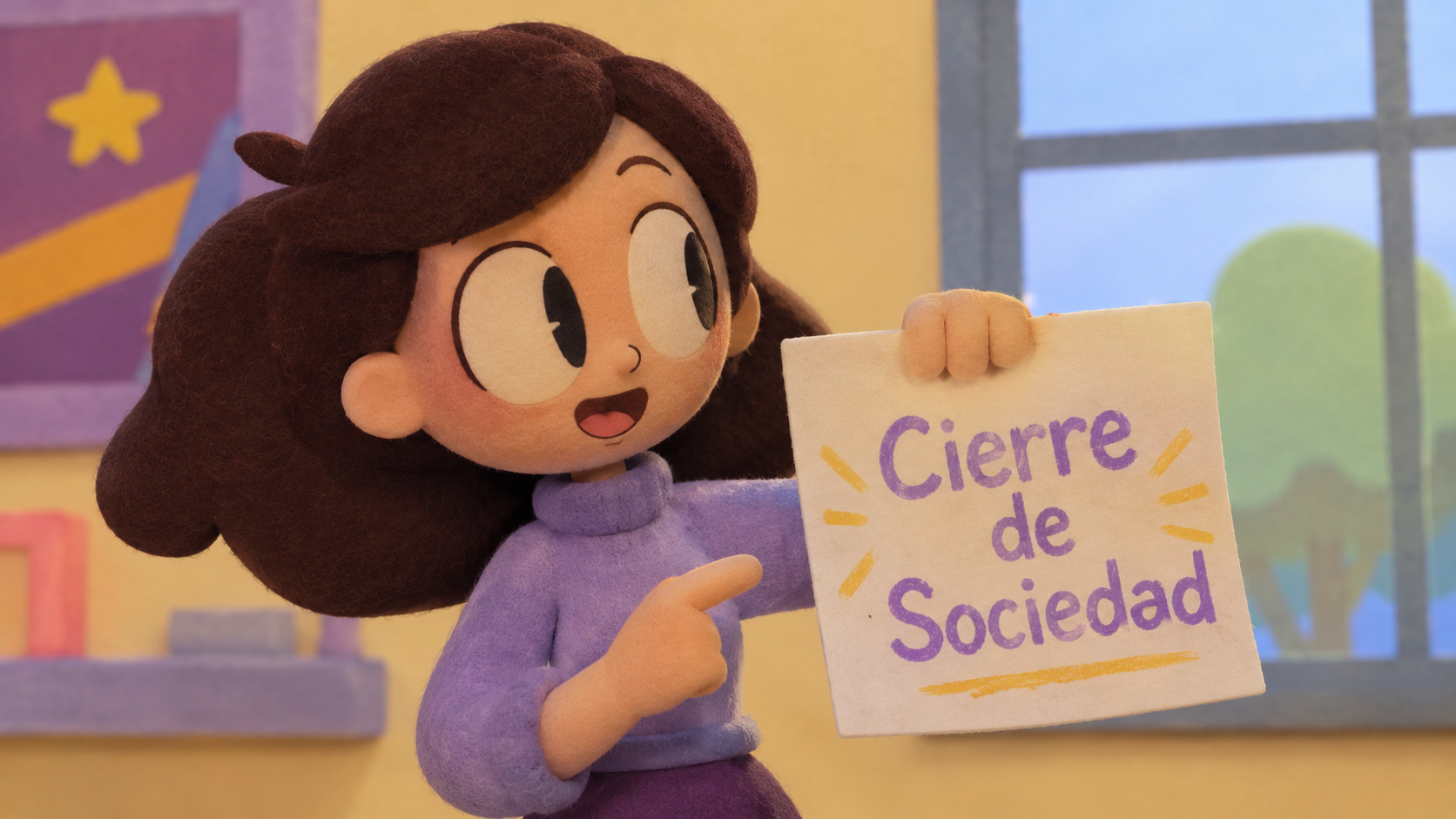
While incorporating a S.A.S. is quick and straightforward, properly closing it requires a formal legal procedure to prevent accruing taxes, penalties, and commercial registry fees.
Incorporating a S.A.S. creates a separate legal entity subject to statutory rights and duties. Leaving a company inactive or "abandoned" does not pause annual registration renewals or suspend tax duties with the Colombian Tax Authority (DIAN).
In this guide, we outline the steps required to safely and legally dissolve and liquidate a S.A.S. in Colombia.
Prerequisites: Ensuring Full Legal and Tax Compliance
Before filing for closure with the Chamber of Commerce or the DIAN, it is essential to ensure that the corporation is up to date regarding:
- Commercial Registry Registration: Annual renewal of the commercial registration for both the corporation and its commercial establishments up to the calendar year of dissolution.
- Tax Obligations: Full filing and payment of all pending tax returns (Corporate Income Tax, VAT, Withholding Tax, Exogenous Data Reports, and the Ultimate Beneficial Owner Register - RUB).
- Liabilities and Commitments: Full settlement or discharge of financial, payroll, and commercial debts with third parties.
Step-by-Step Guide to Dissolving and Liquidating a S.A.S.
1. Approval of Corporate Dissolution
The governing corporate body (Shareholders' Assembly or Single Shareholder Decision) must convene to approve the company's dissolution via official minutes and appoint a Liquidator (the Legal Representative automatically assumes this role if no third party is designated).
2. Registration of Dissolution and Tax Record (RUT) Update
- Commercial Registry: The dissolution minutes must be filed with the local Chamber of Commerce. From this point forward, the phrase “en liquidación” (in liquidation) must be added to the company's corporate name.
- RUT Update: Update the corporate tax register (RUT) with the DIAN to reflect the status as a "company in liquidation" and register the liquidator's authority.
3. Notice to Creditors and Asset Inventory
The liquidator must publish a formal public notice in a widely circulated newspaper to notify potential creditors and draft the company's inventory of assets and liabilities.
Key Note: If the S.A.S. holds no external liabilities or pending operations, current regulations allow the company to proceed through a simplified procedure, combining dissolution and liquidation into a single act and document.
4. Approval of Final Accounts and Commercial Registration Cancellation
Once all liabilities are settled (or remaining assets distributed to shareholders), the Shareholders' Assembly or Single Shareholder must approve the final liquidation accounts. These minutes are filed with the Chamber of Commerce to effectuate the permanent cancellation of the company's commercial registry and any associated establishments.
5. Application for Final RUT Cancellation with DIAN
Using the Certificate of Existence and Legal Representation confirming the cancellation of the commercial registry, alongside full tax compliance documentation, file a formal petition with the DIAN to request the permanent cancellation of the corporate RUT.
Prevent Future Liabilities with Capital M
Failing to complete a corporate closure properly can lead to tax audits, enforcement actions, and administrative burdens for legal representatives and shareholders.
If you require specialized legal advice to dissolve and liquidate your inactive S.A.S. safely and efficiently, Capital M is here to support you at every stage.
👉 Do you have an inactive S.A.S. that needs to be closed? Get in touch with the expert team at Capital M today and let us handle the entire process.